
FUSARIUM TR4
AgroFair supports the search for resistant banana varieties
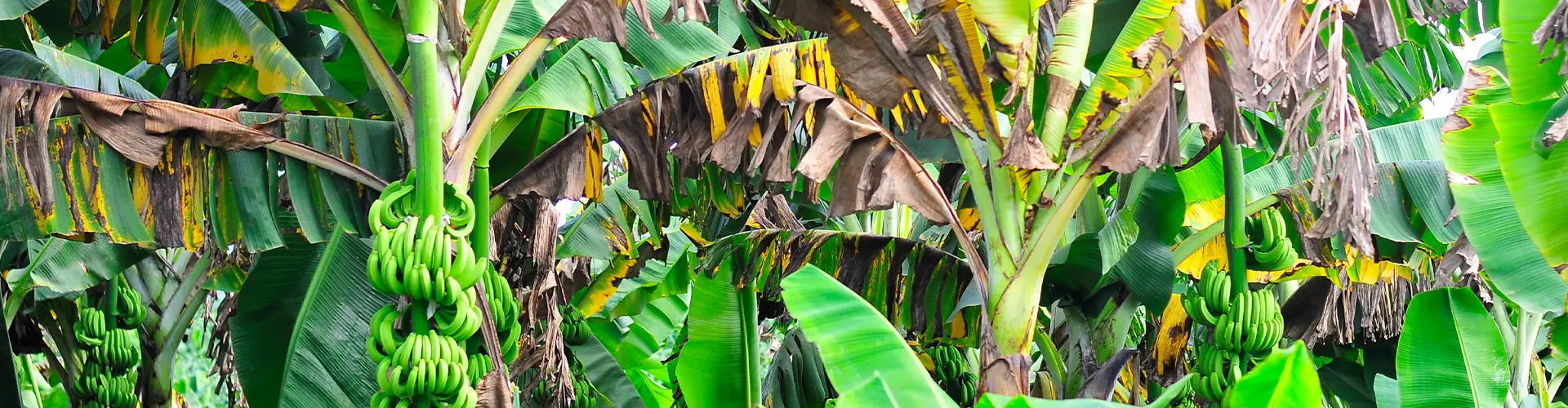
The spread of Fusarium Tropical Race 4 (TR4), a devastating soil-borne fungal disease, poses one of the greatest threats to global banana production. Since its arrival in Latin America in 2019, TR4 has spread from Colombia to Peru, Venezuela and, most recently, Ecuador. Smallholder banana farmers, particularly in Peru, are among the hardest hit.
While improved biosecurity and healthier, more biodiverse soils can help slow the spread of the disease, they cannot stop it. Developing resistant banana varieties is therefore essential for the future of sustainable banana production.
AgroFair is actively contributing to this effort through a partnership with the French research institute CIRAD. Together with Peru’s agricultural research institute INIA, NGO CEDEPAS Norte, three smallholder cooperatives, our Peruvian subsidiary Tulipán Naranja, and the PRO INNOVATE programme, we are co-funding field trials of four TR4-resistant banana varieties developed by CIRAD.
Developing resistant banana varieties
TR 4
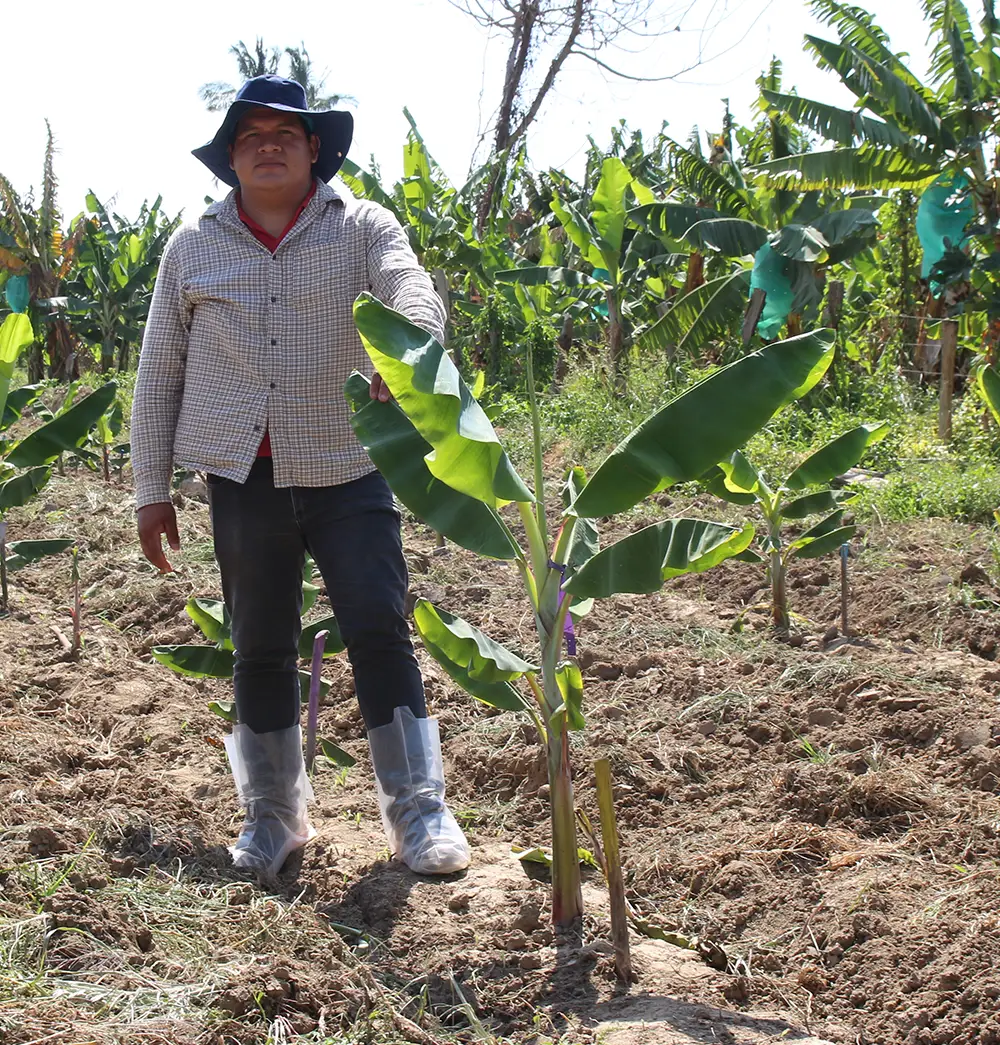
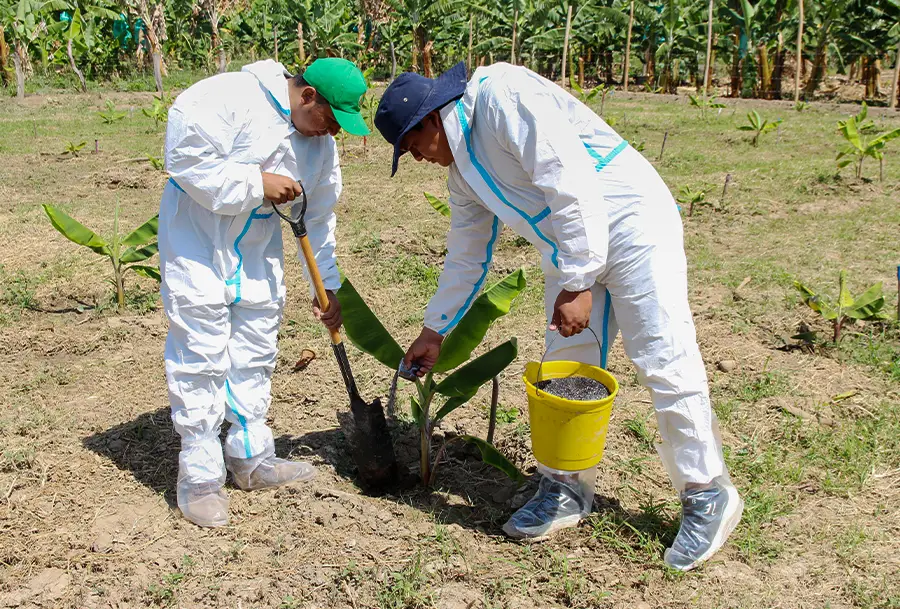
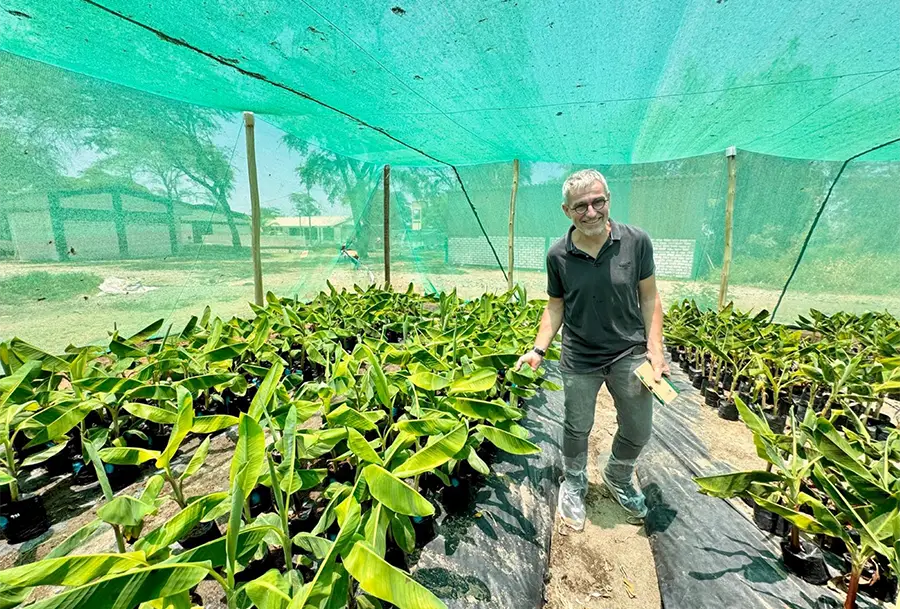
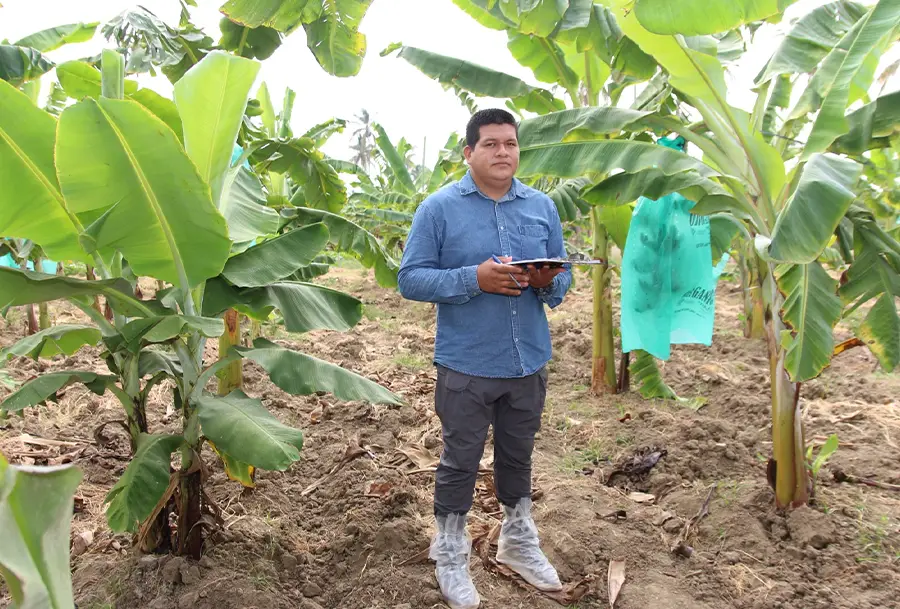
We are co-funding field trials of four TR4-resistant banana varieties developed by CIRAD
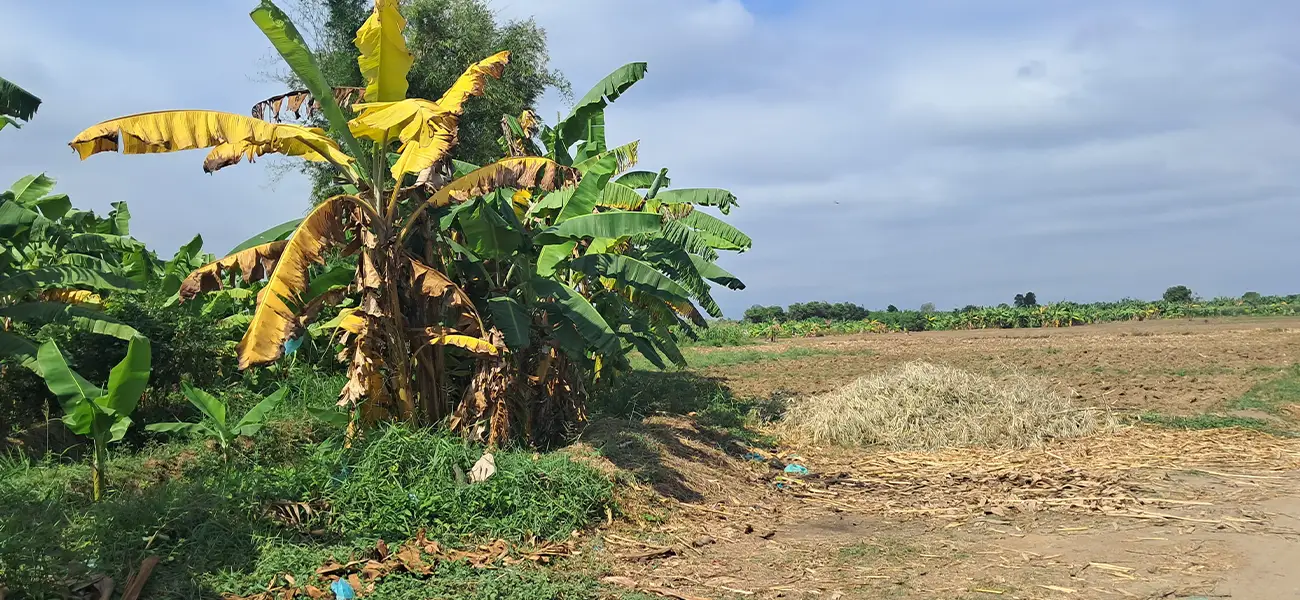
The project started in 2025 with the import of plant material from France. After quarantine and acclimatisation, the varieties were planted alongside Cavendish bananas in three trial fields, two of which are heavily infected with TR4. Within months, the Cavendish plants showed clear symptoms of the disease, while the four CIRAD varieties remained healthy and continued to grow, with the first bunches appearing in early 2026.
The trials will continue through 2027 to evaluate resistance, yields, fruit quality, flavour and commercial potential. This next phase is supported by AgroFair and the Swiss SECO programme, with ongoing guidance from CIRAD experts. The project also places strong emphasis on biosecurity, soil health and biodiversity.
These new varieties are not Cavendish bananas. They differ slightly in appearance and flavour, but they represent an important step towards a more resilient and diverse banana sector. AgroFair looks forward to sharing the results of these trials with our customers and partners as the project progresses.
The spread of the disease is a multi-faced disaster. Bananas are not just an export product, looking all sunny and yellow in the lunchboxes of kids in the West. In many countries the banana or plantain is a key commodity for local markets and absolutely vital for food security. Worldwide, only 15% of banana production is exported; 85% is for local consumption. Approximately 400 million people depend on bananas and plantains for their livelihoods or as their staple food.
The main banana industry is betting on the development of a TR4 resistant Cavendish banana, but the results of this effort are highly uncertain. Even if they succeed, then what? Re-planting banana plantations costs between US$ 10,000 and US$ 20,000 per hectare. Not exactly feasible for small producers. And if large parts of the industry do switch to the new Cavendish, we will soon again have vast areas covered with a single variety again, making the trade extremely vulnerable to the next disease, perhaps Fusarium Tropical Race 5.
Geographical distribution of TR4
